
What Is a Non Toxic Glass Cleaner — and Do You Really Need One?
A non toxic glass cleaner is a cleaning product that removes dirt, smudges, and streaks from glass surfaces without using harsh chemicals like ammonia, synthetic fragrances, or volatile organic compounds (VOCs).
Quick answer — the safest non toxic glass cleaners are:
- DIY vinegar + distilled water (equal parts, ~$0.30 per bottle)
- Aunt Fannie’s Glass + Window Cleaner — EWG A-rated, vinegar and plant-based
- ECOS Window Cleaner — EPA Safer Choice certified, plant-powered
- Biokleen Glass Window Cleaner — ammonia-free, biodegradable
- Method Glass Cleaner — plant-based, recycled plastic bottle
Most people reach for whatever glass cleaner is cheapest at the store. But many conventional cleaners contain ammonia and other harsh chemicals that can irritate your lungs, linger in indoor air, and wash harmful compounds into waterways.
If you have kids, pets, or anyone with sensitivities at home, that matters a lot.
The good news? Non toxic options work just as well — sometimes better. EWG rates 84 different glass and window cleaners, and several plant-based formulas earn the top “A” rating for low hazard. You can also make an effective version at home in under five minutes for a fraction of the cost.
This guide walks you through everything: what to look for, what to avoid, the best products, and simple DIY recipes that actually work.
Why Switch to a Non Toxic Glass Cleaner?
When we think about air pollution, we often picture smoggy cities or industrial chimneys. However, the air inside our homes can actually be more polluted than the air outside, thanks in large part to the cleaning products we use. Switching to a non toxic glass cleaner isn’t just a “green” trend; it’s a significant step toward improving your family’s immediate health and protecting the planet.
The Problem with Ammonia and VOCs
Traditional glass cleaners are famous for that sharp, stinging blue-liquid smell. That scent usually comes from ammonia. While ammonia is great at cutting through grease, it is a powerful respiratory irritant. For individuals with asthma or allergies, even a small amount of sprayed ammonia can trigger a reaction.
Furthermore, many conventional cleaners release Volatile Organic Compounds (VOCs). These are gases that “off-gas” into your living space, contributing to poor indoor air quality and potential long-term health issues. When we spray these chemicals, we aren’t just cleaning a window; we are misting our lungs and our pets’ fur with substances that were never meant to be inhaled.
Environmental Toxicity
What goes up must come down—or in the case of cleaning sprays, what goes on the glass eventually goes down the drain or into the ecosystem. Conventional cleaners often contain phosphates and synthetic dyes that are not easily biodegradable. These can end up in our waterways, harming aquatic life.
By choosing environmentally friendly window cleaners, we ensure that our cleaning habits don’t leave a toxic legacy. Biodegradable formulas break down into harmless components, keeping our water systems clean and our soil safe. At Delícias Saborosas, we believe that a clean home shouldn’t come at the cost of a dirty planet.
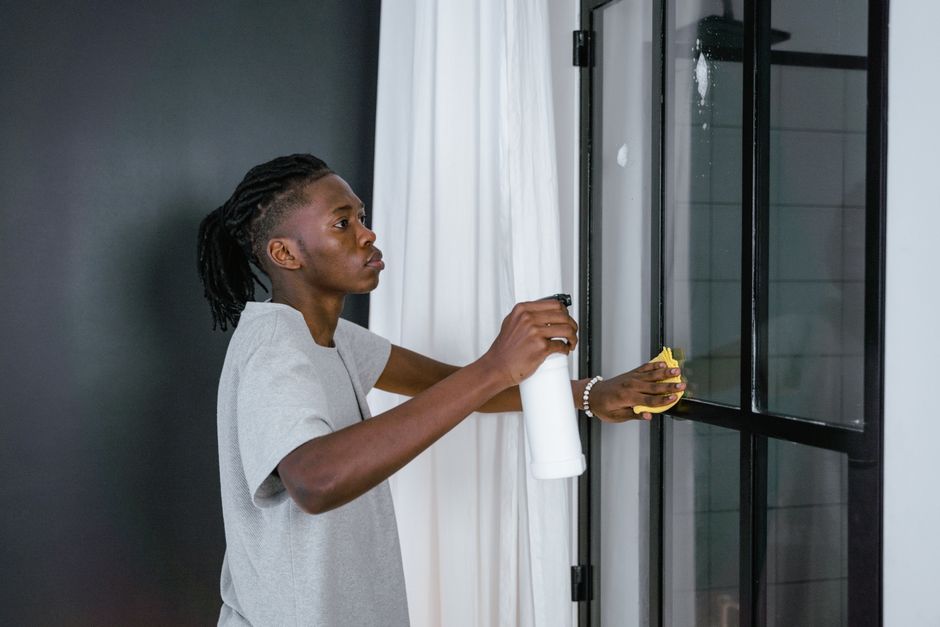
Identifying Safe Ingredients vs. Harsh Chemicals
Navigating the cleaning aisle can feel like you need a chemistry degree. Manufacturers aren’t always required to list every ingredient, which makes “greenwashing” a real challenge. However, there are specific markers of safety you can look for.
The Gold Standards: EWG and Safer Choice
The Environmental Working Group (EWG) is an incredible resource for mindful consumers. They rate over 80 glass cleaners based on the toxicity of their ingredients. An “A” rating means the product has very low hazard potential. Similarly, the U.S. EPA’s “Safer Choice” label identifies products that use the safest possible functional ingredients without sacrificing performance.
Ingredients to Embrace
- Acetic Acid (Vinegar): A natural powerhouse that cuts through grime and evaporates quickly for a streak-free finish.
- Plant-Based Surfactants: These are cleaning agents derived from coconut or corn (like Caprylyl/Myristyl Glucoside) that lift dirt without harsh reactions.
- Essential Oils: Instead of “fragrance” (which is often a cocktail of undisclosed phthalates), look for oils like peppermint, lavender, or rosemary.
- Citric Acid: Great for breaking down hard water spots.
Ingredients to Avoid
- Ammonia: Hard on the lungs and skin.
- Phthalates: Often hidden under the word “fragrance,” these are endocrine disruptors.
- Chlorine and Phosphates: Hard on the environment and unnecessary for glass.
- Synthetic Dyes: That “blue stuff” doesn’t help it clean; it’s just there for aesthetics.
For more details on the specific chemistry of safer cleaning, check out our guide on green cleaning sprays for glass.
How to Make Your Own Eco-Friendly Solutions
If you want total control over what enters your home, DIY is the way to go. It is surprisingly simple, incredibly effective, and saves a significant amount of money. While a high-quality store-bought eco-cleaner might cost $3.50 to $10.00, a homemade version costs roughly $0.30 per bottle.
Cost and Performance Comparison
| Feature | Conventional Cleaner | Store-Bought Non-Toxic | DIY Vinegar Solution |
|---|---|---|---|
| Price per Bottle | ~$3.00 | ~$4.00 – $10.00 | ~$0.30 |
| Primary Ingredient | Ammonia / Solvents | Plant-derived surfactants | Vinegar / Water |
| Health Risk | High (Respiratory) | Low | Very Low |
| Streak-Free? | Yes | Yes | Yes (if using distilled water) |
Using eco-friendly hacks to clean windows allows you to repurpose items you already have in your pantry, reducing plastic waste from new bottles.
The Best DIY Non Toxic Glass Cleaner Recipe
This is our favorite “pro” recipe. It uses a secret ingredient—vodka—to ensure the solution dries almost instantly, which is the key to preventing streaks.
Ingredients:
- 1 cup Distilled Water (prevents mineral spots and bacterial growth)
- 1/2 cup White Distilled Vinegar (cuts grease)
- 1/4 cup Vodka or Rubbing Alcohol (speeds up drying time)
- 2-3 drops of Castile Soap (optional, for extra dirty windows)
- 10 drops of Lemon or Peppermint Essential Oil (for a fresh scent)
Instructions:
- Pour the water, vinegar, and alcohol into a glass spray bottle using a funnel.
- Add the essential oils and castile soap.
- Shake gently to combine.
- Label your bottle and store it in a cool, dark place.
This recipe is a staple for those following a gleam and glisten natural glass cleaner recipe at home. For more inspiration on homemade mixes, you can see this detailed guide on The Best Homemade Non-Toxic Glass Cleaner With Vinegar.
Application Tips for a Streak-Free Finish
Even the best non toxic glass cleaner will fail if your technique is off. Here is how the pros do it:
- Skip the Paper Towels: Paper towels often leave behind lint and are wasteful.
- The Microfiber Method: Use a high-quality microfiber cloth. Use one damp cloth to wipe the cleaner away and a second, dry microfiber cloth to “buff” the glass to a shine.
- The Newspaper Trick: Believe it or not, old black-and-white newspaper is an amazing glass polisher. The ink acts as a very mild abrasive, and the paper doesn’t leave lint. Plus, it’s compostable!
- Avoid Direct Sunlight: If you clean windows while the sun is beating down on them, the cleaner will evaporate too quickly, leaving streaks before you can wipe it off.
- Multi-Surface Magic: These cleaners aren’t just for windows. They work beautifully on chrome faucets, stainless steel appliances, and even glass stovetops.
For more advanced techniques, explore our eco-friendly window cleaning hacks.
Choosing the Best Store-Bought Options
Sometimes we just don’t have the time to play “mad scientist” in the kitchen. Fortunately, the market for safe cleaners has exploded. Here are the top-rated options based on performance and safety data:
- Aunt Fannie’s Glass + Window Cleaner: This product is a favorite among those who love the cleaning power of vinegar but want a balanced, dermatologist-tested formula. It holds an EWG “A” rating and is safe for families with sensitive skin.
- ECOS Window Cleaner: Powered by vinegar and plant-derived surfactants, ECOS is a “Climate Positive” company. Their formula is pH-balanced and exceptionally effective on mirrors.
- Biokleen Glass Window Cleaner: This is a professional-strength, biodegradable option. It’s highly concentrated, meaning a little goes a long way, and it’s completely ammonia-free.
- Method Glass Cleaner: Available in various scents like “Waterfall,” this plant-based solution uses “shine power” technology to eliminate dirt without the “stank” of traditional chemicals.
- Amway Home Glass Cleaner: A concentrated formula that is recognized by the EPA’s Safer Choice program. One bottle can produce several refills, significantly reducing plastic waste.
When shopping, look for the Leaping Bunny logo to ensure the product is cruelty-free. For a deeper dive into these brands, check out our environmentally friendly window cleaner guide.
Frequently Asked Questions about Non Toxic Glass Cleaner
Is non toxic glass cleaner safe for pets and children?
Absolutely. Most non-toxic cleaners use food-grade ingredients like vinegar or plant-derived sugars. Unlike ammonia-based sprays, which can cause “kennel cough”-like symptoms in dogs or irritate a crawling toddler’s skin, these formulas are hypoallergenic. Since they are often non-aerosol, they don’t linger in the air as long, making them much safer for little lungs.
Can I use vinegar-based cleaners on all surfaces?
While vinegar is a miracle worker for glass, chrome, and stainless steel, it is an acid. Do not use vinegar-based cleaners on:
- Marble or Granite: The acid can “etch” or eat away at the stone, leaving dull spots.
- Unsealed Wood: It can damage the finish.
- Electronic Screens: Some laptop and TV screens have special coatings that can be damaged by vinegar or alcohol. Always check the manufacturer’s manual first.
Does a non toxic glass cleaner work as well as traditional brands?
In many cases, they work better. Traditional cleaners often rely on heavy solvents that can leave a soapy residue, which actually attracts more dust over time. Non toxic glass cleaner formulas, especially those with vinegar or alcohol, evaporate completely, leaving nothing behind but clear glass. In independent user reviews, brands like Aunt Fannie’s and Biokleen consistently receive 4.7 to 4.9-star ratings for their ability to cut through “doggy nose marks” and greasy fingerprints.
Conclusion
Making the switch to a non toxic glass cleaner is one of the easiest changes you can make to create a healthier home. Whether you decide to mix up a bottle of vinegar and water for $0.30 or purchase a high-performing plant-based spray, you are choosing to protect your indoor air quality and our shared environment.
At Delícias Saborosas, we are committed to providing progressive, planet-preserving products for mindful consumers. From your laundry room to your windows, every small switch contributes to a more sustainable lifestyle.
Ready to transform the rest of your cleaning routine? Explore our natural cleaners category to find more ways to keep your home sparkling without the harsh chemicals. Happy cleaning!
