
Why Your Glass Cleaner Matters More Than You Think
The best streak free eco cleaners available right now include hydrogen peroxide-based formulas, vinegar-powered sprays, and plant-surfactant concentrates — all certified non-toxic and biodegradable.
Top picks at a glance:
- Hydrogen peroxide formulas — Green Seal GS-37 certified, ammonia-free, works on glass, stainless steel, and chrome
- Vinegar-powered sprays — EPA Safer Choice certified, plant-derived, quick-drying
- Refillable tablet systems — plastic-free, compostable packaging, zero-waste refills
- Marine-grade eco sprays — ocean-safe, phosphate-free, space-saving recyclable packaging
- Industrial NSF-registered options — 100% naturally-derived, low VOC, food-facility safe
You already know the feeling. You spray, you wipe, and then the sun hits the window — and all you see are smears.
Conventional glass cleaners often rely on ammonia, synthetic dyes, and harsh VOCs to cut grease fast. They work, but they leave chemical residue on surfaces your kids and pets touch every day. And the plastic bottles pile up fast.
The good news? The science of streak-free cleaning has caught up with eco-friendly values. Plant-based surfactants, acetic acid (vinegar), and hydrogen peroxide can all deliver crystal-clear results — without the toxins or the plastic waste.
Certifications like EPA Safer Choice, Green Seal, and Leaping Bunny make it easier than ever to know which products actually back up their eco claims.
This guide rounds up the best scented, non-toxic window sprays — including lavender and citrus options — that genuinely leave glass spotless.

The Science of a Streak Free Eco Cleaner
Achieving a crystal-clear finish without the use of harsh ammonia or rubbing alcohol used to be a challenge. However, modern green chemistry has unlocked the potential of naturally derived ingredients. To understand how a streak free eco cleaner works, we have to look at the molecular level.
Traditional cleaners use ammonia because it evaporates quickly, which helps prevent streaks. The downside? It’s a respiratory irritant and can damage certain surfaces. Eco-friendly alternatives replace this with acetic acid (vinegar) or hydrogen peroxide. Vinegar is a natural descaler that cuts through hard water spots and grease, while hydrogen peroxide acts as a powerful oxidizer that breaks down organic soils and odors on contact.
Then there are plant-based surfactants. These are the “workers” that lift dirt off the surface. Often derived from coconut or corn, these surfactants reduce the surface tension of water, allowing the cleaner to spread evenly and wipe away without leaving a sticky film behind. When these are paired with specialized drying agents, you get that “squeaky clean” result we all crave. For more details on the formulations, check out our guide on green cleaning sprays for glass.
If you are feeling adventurous, you can even try concocting your own eco-friendly all-purpose cleaner using household staples. For those who prefer professional-grade assurance, looking for Scientific research on Safer Choice ingredients ensures that the components in your spray have been vetted for human and environmental safety by the EPA.
Essential Oils for Natural Fragrance
One of the biggest complaints about traditional cleaners is the “chemical” smell. Eco-friendly cleaners swap synthetic musks and phthalate-laden perfumes for pure essential oils. Not only do these smell incredible, but they often bring their own cleaning properties to the party.
- Lavender: Known for its calming properties, lavender is also a natural antimicrobial agent. It’s perfect for indoor windows where you want a lingering sense of peace rather than a hospital-like scent.
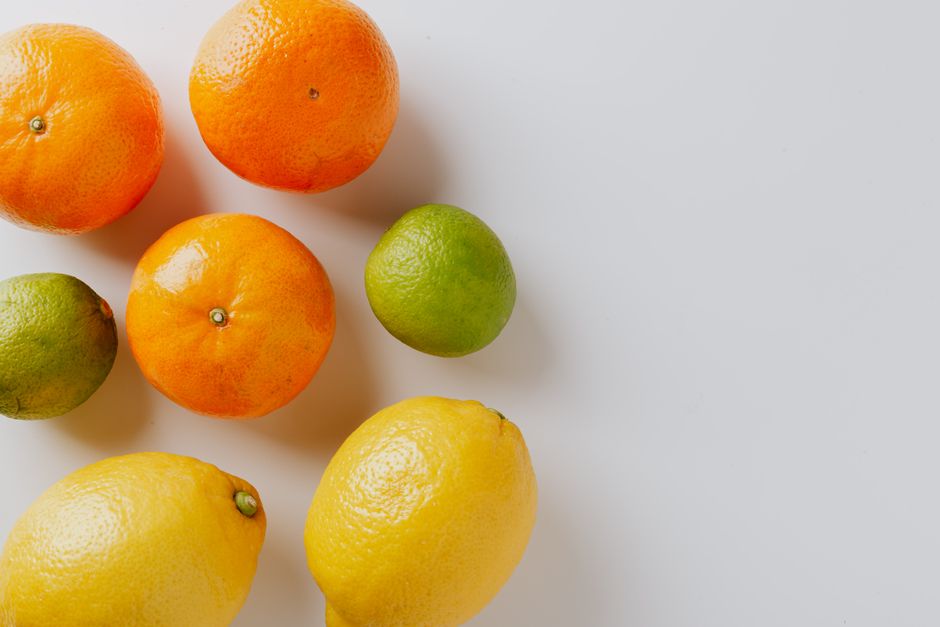
- Citrus (Lemon, Orange, Grapefruit): Citrus oils contain d-limonene, a powerful natural solvent that helps dissolve oily fingerprints and sticky residue.
- Litsea Cubeba: This lesser-known essential oil has a bright, peppery citrus scent. It’s highly effective at neutralizing odors rather than just masking them, making it a favorite for kitchen glass and mirrors.
Best Scented Non-Toxic Sprays for Every Surface
Not all glass is created equal. A mirror in a steamy bathroom requires a different approach than a stainless steel refrigerator or a boat windshield. When choosing a streak free eco cleaner, it helps to know which “active” ingredient is best for your specific needs.
| Ingredient Type | Best For… | Key Benefit |
|---|---|---|
| Vinegar-Based | Windows, Mirrors, Chrome | Cuts grease and hard water; dries very fast. |
| Hydrogen Peroxide | Grout, Tile, Stainless Steel | Deep cleans, whitens, and destroys odors. |
| Plant-Surfactants | Sensitive Plastics, Tinted Glass | Gentle, non-corrosive, and hypoallergenic. |
For a deeper dive into specific brands and formulas, you might explore environmentally friendly window cleaner options or browse our list of eco-friendly all-purpose cleaning solutions.
Concentrated Streak Free Eco Cleaner Solutions
The biggest trend in sustainable cleaning right now is the move away from “shipping water.” Most traditional cleaners are 90% water, which means we are burning carbon to ship heavy plastic bottles across the country.
Enter the refillable tablet and concentrate system. Brands are now offering small tablets or glass vials of concentrate that you drop into a “forever bottle” filled with tap water at home. This drastically reduces plastic waste. Some of these kits even come in 100% compostable pouches, meaning the only thing left behind is a clean window.
Using concentrates is one of the top eco-friendly hacks to clean windows because it’s both cost-effective and space-saving. A single small box of tablets can replace a whole case of retail spray bottles!
Marine and Industrial Grade Streak Free Eco Cleaner
For those with specialized needs—like boat owners or facility managers—standard household sprays might not cut it.
Marine-grade cleaners are specifically formulated to be “ocean-safe.” This means they are biodegradable and phosphate-free, ensuring that if any overspray hits the water, it won’t harm sea life like sea turtles or coral reefs. These formulas are also designed to be safe on marine-specific materials like caulk, Sika, and clear vinyl (isinglass), which can be “burned” or clouded by vinegar or alcohol-based cleaners.
On the industrial side, look for NSF-registered products. These are safe for use in food processing facilities and often have zero Global Warming Potential (GWP). They are designed to remove heavy soils like light oils and fingerprints in high-traffic environments while maintaining a neutral pH. You can find more about these advanced environmentally friendly window cleaners that bridge the gap between heavy-duty performance and green safety.
Maximizing Performance with Green Cleaning Techniques
Even the best streak free eco cleaner can fail if the application is wrong. Have you ever noticed that sometimes the more you wipe, the worse it looks? That’s often due to using the wrong cloth or working in direct sunlight.
To get professional results, follow these steps:
- The Squeegee Method: This is the gold standard. Spray your cleaner, use a scrubber to agitate the dirt, and then use a high-quality squeegee to pull the liquid off in one smooth motion. Wipe the blade after every pass.
- Microfiber is King: If you aren’t using a squeegee, use a clean microfiber cloth. Unlike paper towels, which leave lint and can be treated with “quats” or lotions, microfiber grabs the dirt and absorbs the liquid without shedding.
- The Two-Cloth Technique: Use one cloth to do the heavy cleaning and a second, dry, lint-free cloth to do a final “buff” to ensure no moisture remains to form streaks.
- Avoid the Sun: Never clean windows in direct, hot sunlight. The cleaner will evaporate before you can wipe it away, leaving behind the minerals and surfactants as visible streaks.
For more kitchen-specific tips, check out green hacks for sparkling kitchen surfaces or see our secondary eco-friendly window cleaning hacks for tricky spots like tracks and screens.
Understanding Eco-Certifications and Safety
When a bottle says “Natural” or “Green,” it doesn’t always mean it’s safe. “Greenwashing” is real, which is why we rely on third-party certifications to do the vetting for us.
- EPA Safer Choice: This label means every ingredient in the product has been evaluated by EPA scientists to ensure it meets strict safety criteria for both human health and the environment.
- Green Seal (GS-37): This is the “gold standard” for industrial and institutional cleaners. It guarantees the product is non-toxic, low VOC, and performs as well as or better than conventional leaders.
- Leaping Bunny: This ensures that no animal testing was conducted at any stage of product development.
- USDA Bio-Based: This tells you what percentage of the product comes from renewable biological sources (like plants) rather than petroleum.
If you have a septic system, it is vital to choose products labeled septic-safe. Harsh chemicals like bleach or ammonia can kill the beneficial bacteria in your tank, leading to expensive repairs. Most plant-powered cleaners are naturally biodegradable and safe for greywater systems. You can even explore natural glass cleaner recipes for home to ensure you know exactly what is going down your drains.
Frequently Asked Questions about Eco Glass Cleaners
Are eco-friendly cleaners truly streak-free?
Yes! The “secret” to a streak free eco cleaner lies in the evaporation rate. Modern eco-formulas use plant-derived alcohols or specific drying agents that allow the liquid to vanish quickly. If you see streaks, it’s usually because there was too much dirt on the surface for the cloth to handle, or the cloth itself was dirty. Always start with a clean cloth!
Is vinegar or hydrogen peroxide better for glass?
It depends on the job. Vinegar is excellent for general maintenance and cutting through the minerals in hard water spots. Hydrogen peroxide is better if you need to disinfect or if you are cleaning a surface that also has odors (like a window near a pet bed). However, be careful with vinegar on natural stone like marble or granite, as the acid can etch the surface. Hydrogen peroxide is generally safer for a wider variety of surfaces, including grout and tile.
Are these cleaners safe for pets and children?
Absolutely. One of the primary reasons we advocate for non-toxic sprays is the “residue factor.” Children often press their faces and hands against glass doors, and pets lick windows. By using a “no nasties” formula—free from phthalates, parabens, and ammonia—you can rest easy knowing that their curiosity won’t lead to chemical exposure. Many of our top-rated cleaners are also hypoallergenic and dye-free to prevent skin irritation.
Conclusion
At Delícias Saborosas, we believe that a clean home shouldn’t come at the cost of a clean planet. Transitioning to a streak free eco cleaner is one of the simplest “green swaps” you can make. Whether you choose a lavender-scented vinegar spray or a high-tech hydrogen peroxide concentrate, you are choosing a path that is safer for your family, your pets, and the waterways we all share.
Sustainable living isn’t about being perfect; it’s about making progressive choices. From plastic-free packaging to carbon-neutral shipping, the brands we’ve discussed are leading the way in planet-preserving innovation. Ready to make the switch? Shop our natural cleaners and experience the clarity of a truly green clean.
