
Why Your Family Deserves a Better Clean Than Bleach
A good natural disinfectant recipe uses just a few pantry staples to kill germs without harsh chemicals. Here’s the simplest version to get you started:
Basic Natural Disinfectant Spray (16 oz)
- Add 1.5 cups of 70%+ rubbing alcohol to a glass spray bottle
- Add ½ teaspoon of 3% hydrogen peroxide
- Add 30 drops tea tree oil + 15 drops lemon essential oil
- Top off with distilled water
- Shake well, spray on surfaces, and let sit for at least 1 minute before wiping
Picture this: you’re cleaning the kitchen counter while your toddler plays nearby — then they start coughing from the fumes. It’s a moment many parents recognize. Commercial disinfectants get the job done, but they often come loaded with synthetic fragrances and harsh chemicals that linger in the air your family breathes every day.
The good news? You don’t need any of that.
Ingredients like rubbing alcohol, hydrogen peroxide, and certain essential oils are backed by real science. The CDC recommends at least 70% alcohol for effective surface disinfection. Ethyl alcohol at 60–80% concentration inactivates a wide range of viruses, including influenza. Hydrogen peroxide can destroy germs in as little as one minute.
Making your own spray is cheaper, safer for kids, and cuts down on plastic waste — all at once.

The Science Behind a Natural Disinfectant Recipe
When we talk about a natural disinfectant recipe, we aren’t just talking about making things smell like a spa. We are talking about pathogen inactivation. To truly disinfect, a substance must be able to destroy or irreversibly inactivate bacteria and viruses on a surface.
The heavy hitters in our DIY arsenal work through specific biological mechanisms. For instance, high-proof alcohol works through protein denaturation and lipid membrane disruption. Essentially, the alcohol melts the outer fat layer of a virus or bacteria, causing its internal proteins to unfold and stop functioning.
| Ingredient | Primary Mechanism | Efficacy Notes |
|---|---|---|
| Ethyl Alcohol (60%-80%) | Protein Denaturation | Inactivates lipophilic viruses (flu, herpes) and many hydrophilic viruses. |
| Hydrogen Peroxide (0.5%-3%) | Oxidation | Releases oxygen to break down microorganisms; works in as little as 1 minute. |
| White Vinegar (Acetic Acid) | Cytoplasmic pH disruption | Effective against some bacteria and the flu virus, but not a broad-spectrum disinfectant. |
According to Scientific research on antiviral ingredients, ethyl alcohol at concentrations of 60%–80% is a potent virucidal agent. It is particularly effective against lipophilic viruses like influenza. However, it’s important to remember that “natural” doesn’t mean “weak.” These ingredients are chemically active, which is why they work.
We also have to consider the role of acetic acid in distilled white vinegar. While vinegar is a fantastic cleaner for cutting through grease and grime, it isn’t always powerful enough on its own to be classified as a hospital-grade disinfectant. It works by changing the proteins and fats of germs, but for high-stakes disinfecting (like after someone has been sick), we recommend the alcohol or peroxide-based versions found in our guide on natural-disinfectants-for-home.
Antibacterial Essential Oils for Your Natural Disinfectant Recipe
While alcohol and peroxide do the heavy lifting, essential oils aren’t just there for the “citrus breeze” scent. Many plants have evolved complex chemical defenses to fight off bacteria and fungi, and we can harness those in our natural disinfectant recipe.
- Tea Tree Oil: This is the MVP of natural cleaning. Research has shown that tea tree essential oil is effective even against tough customers like methicillin-resistant Staphylococcus aureus (MRSA).
- Thyme Oil: Thyme contains a compound called thymol. Interestingly, thymol-based cleaners at a 0.05% concentration are EPA-approved for killing 99.99% of germs. If you can find thyme oil with a high thymol chemotype, you’re adding a serious layer of protection.
- Lemongrass and Eucalyptus: These oils are fantastic for kitchen surfaces. Lemongrass has shown significant effectiveness against MRSA, while eucalyptus is a powerful antifungal agent that can help fight mold in damp corners.
- Lavender and Lemon: Lavender offers mild antibacterial support and balances out the sharper scents of tea tree, while lemon contains limonene, which helps cut through grease.
Using a DIY Disinfectant Spray with Tea Tree & Lemongrass provides a multi-pronged attack on household pathogens while keeping your home smelling fresh and clean.
How to Use Your Natural Disinfectant Recipe Effectively
One of the most common mistakes people make with DIY cleaners—and even store-bought ones—is wiping them off too quickly. To kill germs, the solution needs “dwell time” (also known as contact time).
If you spray a surface and immediately wipe it dry, you might remove the dirt, but you haven’t given the disinfectant time to actually kill the bacteria. For most alcohol-based recipes, a 1-minute dwell time is sufficient. However, for deep cleaning or when dealing with mold, we recommend letting the spray sit for up to 10 minutes.
Always follow these steps for the best results:
- Pre-clean: Disinfectants work best on surfaces that aren’t covered in visible dirt or crumbs. Give the area a quick wipe with soapy water first.
- Shake well: Essential oils and water don’t naturally mix. Give your bottle a good shake before every use to ensure the active ingredients are evenly distributed.
- Spray generously: Ensure the surface remains visibly wet for the duration of the contact time.
- Air dry: Whenever possible, let the surface air dry rather than wiping it. This ensures maximum germ-killing power.
For more tips on specific areas of the house, check out our guide on diy-essential-oil-cleaning-sprays.
Essential Ingredients for Germ-Killing Power
To make an effective natural disinfectant recipe, you need the right starting materials. Not all alcohol or vinegar is created equal!
- 70% Isopropyl Alcohol: This is the gold standard for home disinfection. While you might think 99% alcohol is “stronger,” 70% is actually more effective for disinfecting because the water content helps the alcohol penetrate the cell walls of the germs.
- 190-Proof Grain Alcohol: If you prefer to avoid isopropyl alcohol, high-proof grain alcohol (like Everclear) is a great substitute. It must be at least 140 proof (70% alcohol) to meet CDC guidelines.
- 3% Hydrogen Peroxide: This is a stable, non-toxic disinfectant that breaks down into just water and oxygen. It’s incredibly effective but sensitive to light, which is why it always comes in those brown bottles.
- Distilled White Vinegar: Look for higher acidity if possible. While standard grocery store vinegar is 5% acidity, brands like Azure Standard offer 11% acidity, which effectively doubles the potency of your cleaning recipes.
- Distilled Water: We always recommend distilled water over tap water. Tap water contains minerals and microscopic impurities that can cause your DIY spray to spoil faster or leave streaks on your surfaces.
Step-by-Step: Making Your Homemade Spray
Ready to mix your own? This “Natural Lysol” alternative is our favorite for doorknobs, light switches, and bathroom surfaces.
Supplies Needed:
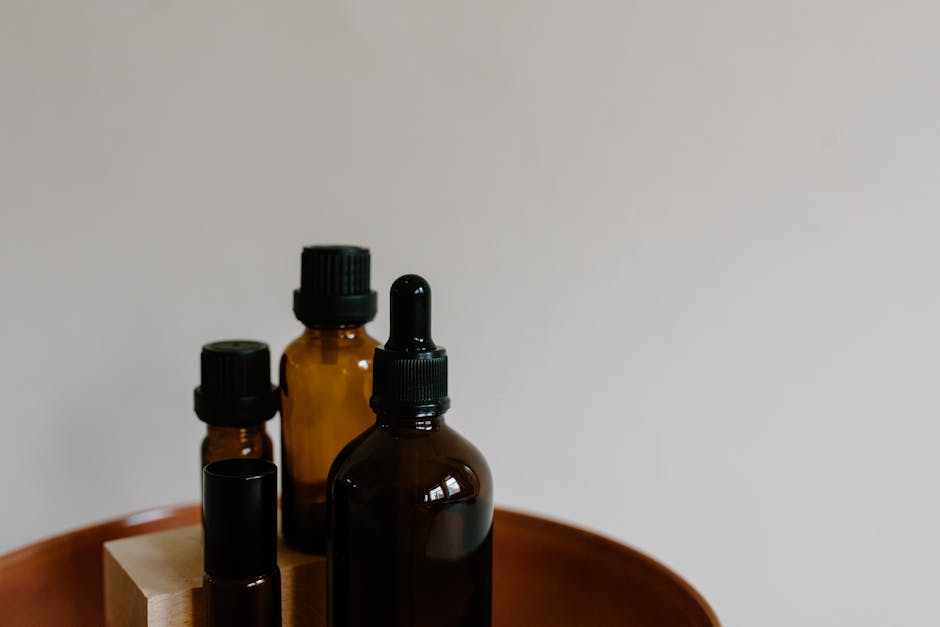
- 16-ounce glass spray bottle (amber or cobalt blue is best)
- Small funnel
- Measuring cups
Instructions:
- The Base: Using your funnel, pour 1.5 cups of 70% isopropyl alcohol (or 190-proof grain alcohol) into the bottle.
- The Booster: Add ½ teaspoon of 3% hydrogen peroxide. This small amount boosts the antiviral properties without making the solution too unstable.
- The Essential Oils: Add 30 drops of tea tree essential oil and 15 drops of lemon essential oil. If you’re worried about the “medicinal” smell of tea tree, you can add 10 drops of lavender to soften the scent.
- The Filler: Top off the bottle with distilled water, leaving about an inch of headspace at the top so you can shake it effectively.
- Label and Date: This is the most important step! Always label your bottles with the ingredients and the date you made them.
We’ve found that making-diy-essential-oil-disinfectant-spray-has-never-been-easier when you keep these ingredients in a dedicated cleaning caddy.
Surface Safety and Storage Guidelines
Before you go on a spraying spree, we need to talk about surface safety. Natural doesn’t always mean “safe for everything.”
The Vinegar Warning: Never use a natural disinfectant recipe containing vinegar on natural stone like marble, granite, or quartz. The acid in the vinegar will “etch” the stone, leaving permanent dull spots. For stone surfaces, stick to an alcohol-and-water-only spray.
Hydrogen Peroxide Precautions: Peroxide is a mild bleach. While it’s great for white sinks and toilets, it can occasionally discolor dark fabrics or certain wood finishes. Always perform a spot test in an inconspicuous area before spraying down your favorite couch.
Storage and Shelf Life:
- Use Glass: Essential oils (especially citrus oils) can degrade plastic over time, and alcohol can leach chemicals out of low-quality plastic bottles. Glass is much safer and infinitely reusable.
- Protect from Light: Use dark-colored glass (amber or blue) to protect the essential oils and hydrogen peroxide from UV rays, which cause them to lose their potency.
- Shelf Life: A spray made with distilled water and alcohol will stay stable for 3 to 6 months. If you use tap water, we recommend making fresh batches every 2 to 4 weeks.
A Critical Safety Note: Never mix vinegar and hydrogen peroxide in the same bottle. While they are both great cleaners, combining them creates peracetic acid. In high concentrations, this can be corrosive and irritating to your skin, eyes, and respiratory system. It’s much safer to use them as separate steps (spray vinegar, wipe, then spray peroxide) or use a recipe that specifically balances them safely.
Frequently Asked Questions about Natural Disinfectants
Can I mix vinegar and hydrogen peroxide in one recipe?
As mentioned above, the short answer is no. Mixing them in the same container creates peracetic acid. While this is a powerful disinfectant used in industrial settings, it is too unstable and potentially irritating for a casual household spray. If you want the benefits of both, use them sequentially: spray the surface with vinegar, wipe it clean, and then follow up with a spray of hydrogen peroxide.
Is this spray effective against the flu or COVID-19?
To be effective against viruses like the flu or SARS-CoV-2, the CDC states that a disinfectant must contain at least 70% alcohol. Our natural disinfectant recipe uses 70% alcohol as the primary base to meet these standards. Hydrogen peroxide at a 0.5% concentration has also been shown to efficiently inactivate viruses. While we cannot make “guaranteed” medical claims for a DIY recipe, these ingredients are the same ones used in professional settings to combat lipophilic viruses.
How does the cost compare to store-bought disinfectants?
Making your own is a huge win for your wallet. A 16 oz bottle of a high-end “green” disinfectant can cost anywhere from $5 to $8. By buying isopropyl alcohol and white vinegar in bulk, you can whip up a bottle of homemade spray for roughly $3 to $4. Plus, you’re reusing the same glass bottle hundreds of times, which means less plastic ending up in our oceans.
Conclusion
Transitioning to a more sustainable, non-toxic lifestyle doesn’t have to happen all at once. By starting with a simple natural disinfectant recipe, you’re taking a significant step toward a healthier home and a happier planet. At Delícias Saborosas, we believe in mindful consumption and planet-preserving habits. Whether it’s choosing eco-friendly laundry detergents or mixing your own cleaning sprays, every small change adds up.
Ready to dive deeper into green cleaning? Explore more eco-friendly cleaning solutions and join us in our mission to keep our homes—and the earth—sparkling clean without the compromise.
Happy (and safe) cleaning!
