
Why Your Glass Cleaner Choice Matters More Than You Think
A good cruelty free glass cleaner cleans windows and mirrors without animal testing, harsh chemicals, or ocean-damaging ingredients. Here are the top options to look for:
- ECOS Window Cleaner (Vinegar) – Leaping Bunny certified, plant-powered, ammonia-free
- Mrs. Meyer’s Glass Cleaner – Leaping Bunny certified, essential oil scents, streak-free
- Attitude Window & Mirror Cleaner – PETA certified, fragrance-free, ideal for sensitive households
- Biokleen Glass Cleaner – PETA and Leaping Bunny certified, biodegradable formula
- Eco-Max Glass Cleaner – Fragrance-free, 100% recycled packaging, zero VOCs
Most people grab whichever glass cleaner is closest on the shelf. But what goes on your windows eventually goes down your drain — and into the water supply your family depends on.
The numbers behind conventional cleaning products are hard to ignore. In 2018, 397 animals were used just to test household product ingredients in Great Britain alone. Of those, 54 were subjected to severe testing involving significant pain and distress. That same year, over 8 million people signed a petition calling on the United Nations to ban animal testing for cosmetics and household products entirely.
As a parent who cares about what touches your home — and what leaves it — those figures matter.
The good news? Cruelty-free glass cleaners have come a long way. They clean just as well as conventional brands, skip the animal testing, and many are also septic safe and ocean friendly. This list breaks down exactly which products deserve a spot under your sink.

Understanding the Cruelty Free Glass Cleaner Standard
When we talk about a cruelty free glass cleaner, we are looking at more than just a marketing slogan. In household cleaning, “cruelty-free” specifically means that neither the final product nor its individual ingredients were tested on animals at any point during development.
The history of animal testing in this industry is sobering. In 2018, there were 3.52 million scientific procedures carried out on living animals in Great Britain. Regulatory tests for household cleaning product safety alone accounted for approximately 13% of that animal testing. While the UK implemented a ban on testing finished household products in 2015, significant loopholes remain. For instance, ingredients can still be tested on animals if they are also used in sectors other than household cleaning—which applies to a vast majority of chemical components.
To truly ensure a product is ethical, we look for gold-standard certifications. The Leaping Bunny program is widely considered the most rigorous because it requires brands to implement a supplier monitoring system and open themselves up to independent audits. PETA’s “Beauty Without Bunnies” is another trusted list, though it often relies more on company integrity and statements of assurance.
For those interested in the broader context of how these regulations affect our environment, you can read more scientific research on animal testing in household products. Understanding the evolution of these laws helps us realize that choosing a cruelty free glass cleaner isn’t just a trend; it’s a necessary step toward ending outdated and painful testing practices that still affect hundreds of animals annually.
How to Verify Ethical Claims
Don’t let “greenwashing” fool you. A bottle might say “not tested on animals,” but without a third-party logo, that claim may only apply to the final liquid in the bottle and not the ingredients sourced from suppliers.
To verify a claim, look for the official Leaping Bunny or PETA logos. You can also use the PETA directory to search for specific brands. Many truly ethical companies go a step further by undergoing third-party audits to prove their commitment. If you are looking to overhaul your entire cleaning cabinet, check out more info about eco-friendly window cleaners to see how different standards stack up.
Performance of a Cruelty Free Glass Cleaner vs. Traditional Brands
A common myth is that you need harsh chemicals like ammonia to get a streak-free shine. We’ve found that the best cruelty free glass cleaner options actually perform as well as, if not better than, the leading traditional brands.
By utilizing plant-based surfactants and natural acids, these cleaners break down grease and grime without leaving behind the hazy residue often associated with synthetic “blue” cleaners. Furthermore, the safety profile is significantly improved. Traditional cleaners often rely on ammonia, which can irritate the respiratory system. Switching to a plant-based glass cleaner means you get the same sparkling results without the “chemical headache” that often follows a deep clean.
Essential Ingredients for a Streak-Free Shine
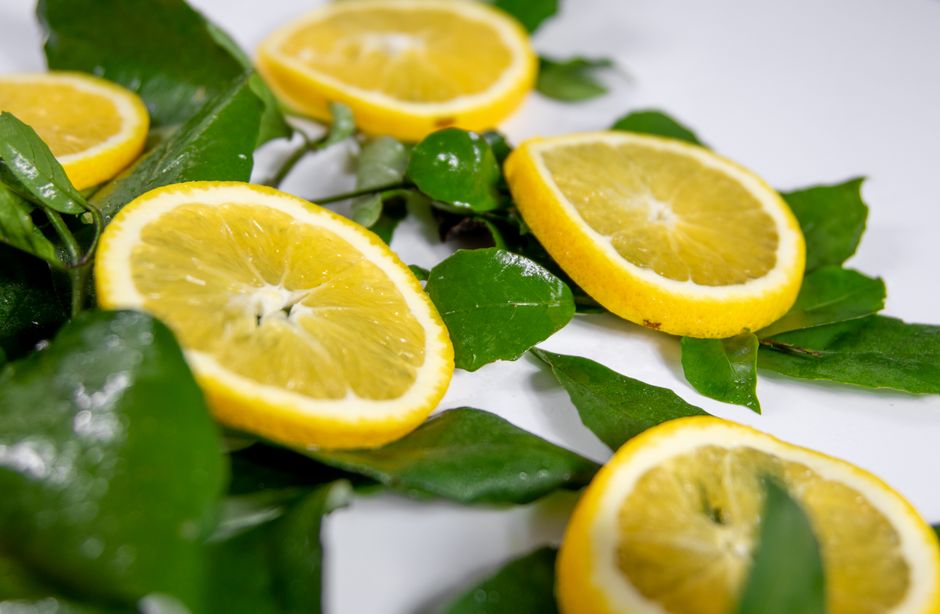
What exactly makes a cruelty free glass cleaner work? It’s all about the chemistry of plants. Most high-performing ethical cleaners rely on a few key ingredients:
- Decyl Glucoside: A gentle, plant-derived surfactant that helps lift dirt away from the glass surface.
- Acetic Acid (Vinegar): The “secret weapon” for cutting through grease and hard water spots.
- Sodium Citrate: Acts as a pH buffer and water softener to ensure the cleaner works effectively even in homes with hard water.
Using these ingredients allows manufacturers to avoid “nasties” like phthalates, synthetic fragrances, and 1,4-dioxane—a byproduct often found in conventional cleaners that is linked to health risks. If you’re feeling adventurous, you can even try a gleam and glisten natural glass cleaner recipe at home using these simple pantry staples.
The Role of Vinegar and Citric Acid
Vinegar is a powerhouse in green cleaning. Its natural acidity allows it to dissolve mineral deposits and cut through the oily film that builds up on kitchen windows. Citric acid works similarly, providing a boost of grime-removal power that ensures a streak-prevention finish. Together, they create a shine that rival any industrial-strength chemical.
Why to Avoid Ammonia and Alcohol
Ammonia is a common ingredient in traditional glass cleaners because it evaporates quickly, but it comes at a cost. It is a known respiratory irritant and contributes significantly to poor indoor air quality. Similarly, high levels of alcohol can increase Volatile Organic Compounds (VOCs) in your home. Choosing a cruelty free glass cleaner that is ammonia-free and low-VOC protects your family’s lungs and prevents damage to sensitive surfaces like window frames or tinted glass.
Top Ethical Picks for Your Cruelty Free Glass Cleaner
Finding the right bottle shouldn’t be a chore. We’ve rounded up some of the most effective options currently available for those who want to purchase cleaners meeting high ethical standards.
| Brand | Certification | Best For | Scent |
|---|---|---|---|
| ECOS | Leaping Bunny | Grease & Grime | Vinegar / Unscented |
| Mrs. Meyer’s | Leaping Bunny | Aromatherapy | Lemon Verbena |
| Eco-Max | UL ECOLOGO | Sensitive Skin | Fragrance-Free |
| Attitude | PETA | Indoor Air Quality | Fragrance-Free |
| Biokleen | Leaping Bunny | Large Windows | Citrus |
If you are just starting your journey into sustainable home care, browsing a list of green cleaning sprays for glass can help you identify which brands align with your specific needs, whether that’s budget or scent preference.
Choosing a Fragrance-Free Cruelty Free Glass Cleaner
For the 30% of the U.S. population that experiences medical symptoms from exposure to fragrances and chemicals, a fragrance-free cruelty free glass cleaner isn’t just a preference—it’s a necessity.
Products like the Eco-Max Glass Cleaner – Fragrance-Free or the Eco-Max Online Store 800ml Enviro Bottle are designed specifically to protect indoor air quality. These formulas are dye-free and contain zero VOCs, making them the ideal choice for households with pets, children, or individuals with Multiple Chemical Sensitivity (MCS). Sometimes, the best smell is no smell at all!
Affordable Refill and Bulk Options
Sustainability and affordability can go hand-in-hand. Many ethical brands now offer bulk refill sizes, which drastically reduce plastic waste and lower the cost-per-use. For example, the Earthview Fragrance Free Glass Cleaner 128oz refill can reduce your cleaning costs by up to 30% compared to buying individual spray bottles.
Using refills is one of our favorite eco-friendly hacks to clean windows. Not only do you save money, but you also prevent dozens of plastic trigger sprays from ending up in landfills.
Environmental Impact and Ocean-Safe Benefits
When we choose a cruelty free glass cleaner, the benefits extend far beyond the laboratory. These products are often designed with a “circular economy” mindset. For instance, the Crystal Plant-Based Glass Cleaner and ECOS Window Cleaner with Vinegar focus on biodegradability and septic-safe formulas.
Being “ocean-safe” means that when the residue from your windows is washed away, the surfactants break down quickly and do not harm aquatic life. Some brands even go as far as using “Enviro Bottles” made from 100% recycled plastic or participating in climate-positive manufacturing, where they restore more carbon and water to the earth than they use.
For more tips on how to keep your cleaning routine as green as possible, check out these eco-friendly hacks for windows. From using old newspapers to cleaning on cloudy days (to prevent streaks!), there are plenty of ways to boost your environmental impact.
Frequently Asked Questions about Cruelty-Free Cleaning
Are cruelty-free glass cleaners safe for septic systems?
Yes! Most certified cruelty free glass cleaner brands prioritize biodegradable, plant-based ingredients. Because they lack harsh antibacterial chemicals and phosphates, they won’t disrupt the delicate bacterial balance in your septic tank.
Can I find cruelty-free cleaners in major retail stores?
Absolutely. Brands like Mrs. Meyer’s and ECOS are now widely available in major retailers. However, for specialized fragrance-free or bulk refill options, you might have more luck at natural food stores or ordering directly from ethical online shops.
Do these products work on stainless steel and mirrors?
Yes, they do. Because they are formulated to be streak-free and residue-free, they work beautifully on mirrors, stainless steel appliances, and even chrome fixtures. Just be sure to use a lint-free cloth for the best results.
Conclusion
At Delícias Saborosas, we believe that a clean home shouldn’t come at the cost of a clean conscience. Choosing a cruelty free glass cleaner is a small but progressive habit that reflects a commitment to ethical consumerism and planet-preserving values. Whether you are looking for a powerful vinegar-based spray or a fragrance-free formula for sensitive skin, there is an ethical option out there that will make your windows sparkle.
By voting with your wallet and supporting brands that refuse to test on animals, you are helping to drive the industry toward a more compassionate future. Ready to make the switch? Shop our full range of natural cleaners and join us in our mission to keep our homes and our oceans beautiful.
