
The journey toward a more sustainable lifestyle often begins with the products we use every single day. Laundry is a constant in every household, making it the perfect starting point for reducing our chemical footprint. By switching to a plant based laundry liquid, you are choosing a path of environmental stewardship that values biodegradable surfactants and eco-friendly cleaning over convenience and harsh synthetics. This transition isn’t just about cleaner clothes; it’s about a cleaner planet and a healthier home environment for your loved ones.
What is Plant Based Laundry Liquid and How Does It Work?
At its core, plant based laundry liquid is a cleaning solution that swaps out synthetic, petroleum-derived chemicals for ingredients grown in a field rather than synthesized in a refinery. But how does a coconut or a stalk of corn actually get your grass-stained jeans clean?
The secret lies in vegetable-derived surfactants. Surfactants (short for “surface-active agents”) are the workhorses of any detergent. They break the surface tension of water, allowing it to soak into fabrics and lift away dirt and oils. In traditional detergents, these are often made from crude oil. In our preferred formulas, they are derived from renewable sources like coconut oil or sugar.
Common plant-based ingredients you’ll find include:
- Decyl Glucoside: A gentle surfactant made from corn sugar and coconut.
- C12-16 Pareth-7: A plant-derived cleaning agent that targets oily stains.
- Corn Ethanol: Used as a solvent to keep the liquid stable and effective.
- Citric Acid: Derived from citrus fruits to balance pH and help strip away mineral buildup.

When shopping, look for the USDA Biobased certification. This label tells you exactly what percentage of the product comes from renewable biological sources. Many high-quality liquids reach a 97% biobased rating. Another gold standard is the EPA Safer Choice label, which ensures every ingredient has been vetted by scientists to meet strict safety and environmental criteria.
Comparison: Plant-Based vs. Petroleum-Based Surfactants
| Feature | Plant-Based Surfactants | Petroleum-Based Surfactants |
|---|---|---|
| Source | Renewable (Coconut, Corn, Palm) | Non-renewable (Crude Oil) |
| Biodegradability | Typically rapid and complete | Can be slow; may leave toxic residues |
| Skin Irritation | Generally lower; hypoallergenic | Higher risk of contact dermatitis |
| Environmental Impact | Lower carbon footprint | High carbon footprint; aquatic toxicity |
For a deeper dive into how these formulas protect your home, check out our guide on eco-friendly laundry detergents.
Environmental and Health Benefits of Vegetable Formulas
Choosing a plant based laundry liquid isn’t just a win for the Earth; it’s a massive win for your family’s health. Traditional detergents are often “chemical cocktails” containing optical brighteners (which stay on your clothes to reflect light), artificial dyes, and heavy synthetic fragrances. These are common culprits for skin rashes and respiratory irritation.
Hypoallergenic properties are a hallmark of vegetable formulas. Because they exclude harsh sulfates and synthetic musks, they are significantly safer for those with eczema or sensitive skin. By using only a handful of simple, transparent ingredients – sometimes as few as six – these detergents minimize the risk of a reaction.
From an environmental perspective, the benefits are even more profound. The environmental impact of what we pour down our drains cannot be overstated. Traditional detergents often contain nonylphenol ethoxylates (NPEs), which are known endocrine disruptors. In contrast, the EPA’s Safer Choice program highlights how safer ingredients can perform just as well without the toxic baggage. You can explore the scientific research on the impact of surfactants on aquatic ecosystems to understand why these regulatory standards are so vital for protecting our waterways.
- Aquatic Life Protection: When you do a load of laundry, that water eventually returns to the ecosystem. Petroleum-based surfactants can be toxic to fish and disrupt their ability to absorb oxygen. Plant-based versions biodegrade much faster, leaving the water safer for our finned friends.
- Septic System Compatibility: If you live in a home with a septic tank, you know how delicate that bacterial balance is. Harsh chemicals can “kill” the good bacteria that break down waste. Vegetable-based detergents are septic-safe and easily processed by natural systems.
- Non-toxic Residues: Ever noticed a “perfume” smell on your clothes days after washing? That’s chemical residue. Plant-based liquids rinse away cleanly, ensuring your family isn’t absorbing mystery chemicals through their largest organ – their skin.
For parents, this peace of mind is priceless. You can learn more about plant-based cleaning products for families to see how these swaps create a safer indoor environment.
Performance and Sustainability of Natural Detergents
A common myth is that “natural” means “weak.” In reality, modern plant based laundry liquid utilizes sophisticated biotechnology to outperform old-school soaps. The heavy lifting is done by plant-based enzymes, which are naturally occurring proteins that “eat” specific types of stains.
- Protease: Targets protein stains like grass, blood, and baby formula.
- Amylase: Breaks down starches like chocolate or pasta sauce.
- Lipase: Dissolves fats, oils, and greases.
- Mannanase: Attacks food-based gums and thickeners found in ice cream or makeup.
By using these targeted enzymes, manufacturers can create concentrated formulas. Instead of shipping a giant plastic jug filled mostly with water, eco-friendly brands offer 2x, 3x, or even 10x concentrations. This reduces plastic waste by up to 80% and slashes the carbon footprint associated with shipping heavy liquids. Furthermore, the sustainability of these products extends to their manufacturing process. Many plant-based brands utilize renewable energy in their production facilities and source ingredients from fair-trade suppliers. This holistic approach ensures that the plant based laundry liquid in your cabinet supports a circular economy, from the farm to the washing machine and back to the earth.
We are also seeing a massive shift toward plastic-free packaging. While liquid is convenient, many mindful consumers are exploring biodegradable laundry powder as a way to eliminate plastic bottles entirely.
Overcoming Hard Water with Plant Based Laundry Liquid
If you have hard water (high in calcium and magnesium), you might find that natural detergents don’t suds up as well. This is because minerals “bind” to the cleaning agents before they can reach your clothes.
Don’t give up! You can boost the performance of your plant based laundry liquid with a few simple tricks:
- Add a Booster: Use a bit of sodium percarbonate (oxygen bleach) or washing soda to soften the water and brighten whites.
- Vinegar Rinse: Adding 1/4 cup of white vinegar to the fabric softener dispenser helps strip away mineral deposits and leaves clothes soft.
- Citric Acid: Some of the best natural formulas already include citric acid to buffer the pH against hard water minerals.
For those who love a DIY approach, you can find mother earth’s secret eco-friendly laundry detergent recipe which includes tips for managing mineral-heavy water.
Best Practices for Using Plant Based Laundry Liquid
To get the most out of your green clean, follow these expert tips:
- Pre-treat is Key: Since plant-based liquids are gentler, they benefit from a head start. Rub a few drops of the liquid directly into a stain and let it sit for 15-30 minutes before washing.
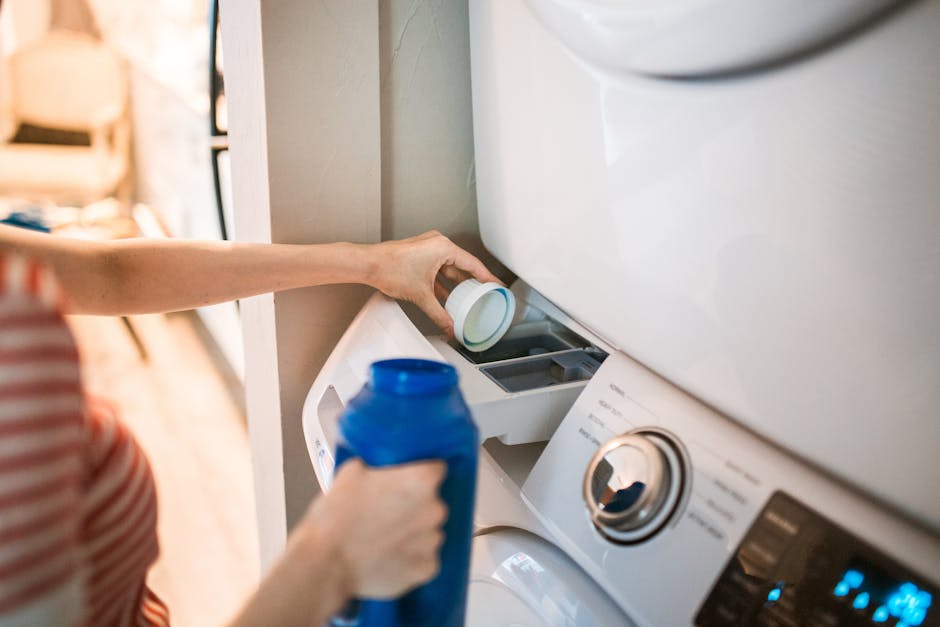
- Dose Correctly: More is not better! Overusing detergent creates a “scrubbing” residue that can actually trap dirt. Follow the lines on the cap – usually, you only need 1-2 tablespoons for a standard High-Efficiency (HE) load.
- Temperature Matters: While many enzymes work beautifully in cold water (which saves energy!), heavy grease or oil stains often need warm water to fully release from the fabric.
- Clean Your Machine: Without harsh bleach to kill mold, natural users should run a monthly cleaning cycle with vinegar or a dedicated washing machine cleaner to keep the drum smelling fresh.
Frequently Asked Questions about Vegetable Detergents
Are plant-based detergents as effective as traditional ones on tough odors?
Yes, provided they contain enzymes. Odors in clothes—especially gym wear—are often caused by body oils trapped in synthetic fibers like polyester. Enzymatic plant based laundry liquid breaks down these biological soils rather than just masking them with heavy perfumes. For extra-tough smells, look for formulas with zinc ricinoleate (derived from castor oil), which physically traps odor molecules.
Is vegetable-based laundry liquid safe for delicate fabrics?
Absolutely. Most plant-based liquids are pH-balanced, making them much gentler on protein-based fibers like silk and wool than high-pH conventional powders. They clean without stripping the natural oils from the fibers, which helps your favorite sweaters and blouses last years longer.
How does the cost per load compare to conventional options?
You might be surprised to learn that eco-friendly isn’t always more expensive. While the “sticker price” of a bottle might look higher, the concentration means you use far less.
- Conventional liquids: Often $0.15 – $0.25 per load.
- Plant-based liquids: Range from $0.10 to $0.23 per load.
- Subscription savings: Many brands offer 15-20% discounts if you subscribe, bringing the cost down even further.

Conclusion
The transition to a sustainable household doesn’t have to happen overnight, but switching to a plant based laundry liquid is one of the easiest and most impactful changes you can make. By choosing vegetable-derived formulas, you are protecting your family’s skin, preserving the integrity of your clothes, and ensuring that our waterways remain healthy for generations to come.
At Delícias Saborosas, we believe that environmental stewardship starts in the laundry room. We invite you to join the revolution of mindful consumers who refuse to compromise on cleaning power or the health of our planet.
Explore sustainable laundry solutions at Delícias Saborosas today and experience the difference that a plant-powered clean can make!
