
Why Your Laundry Might Not Be as Clean as You Think
How to sanitize laundry naturally is easier than most people expect — and it matters more than most people realize.
Here’s a quick overview of the most effective natural methods:
| Method | How to Use | Best For |
|---|---|---|
| White vinegar | Add 1 cup to rinse cycle | Everyday loads, odor removal |
| Hydrogen peroxide | Add 1 cup to wash cycle | Whites and light colors |
| Tea tree oil | Add 2 tsp to wash cycle | Antibacterial boost |
| Hot water (140°F+) | Use hottest cycle safe for fabric | Towels, bedding, underwear |
| Sunlight | Hang outside for 30+ minutes | All fabric types |
| Borax | Add 1/2 cup with detergent | Heavy-duty sanitizing |
Now here’s something that might surprise you.
Research shows that 44% of home washing machines test positive for fecal bacteria — including E. coli and salmonella. And if even one germy item goes into your wash, it can spread to 90% of the other items in that load.
Your regular detergent cycle? Often not enough to stop it.
For eco-conscious families, the instinct is to reach for natural alternatives instead of harsh chemical disinfectants. The good news is that several plant-based and household ingredients genuinely work — when used correctly.
This guide breaks down every natural method worth knowing, what the science actually says, and how to use each one safely on different fabric types.

The Hidden Science of Laundry Hygiene
Most of us assume that if our clothes smell like “spring breeze” and look bright, they are clean. However, there is a big difference between cleaning (removing visible dirt) and sanitizing (killing the microscopic hitchhikers). We often carry more than just memories on our clothes; we carry bacteria like E. coli, Salmonella, and Klebsiella oxytoca.
As mentioned, a staggering 44% of home washing machines harbor fecal bacteria. This happens because most modern laundry is done at low temperatures to save energy. While cold water is great for the environment, it’s a tropical resort for germs. Bacteria thrive between 40°F and 140°F. If you aren’t hitting that high-heat threshold or using a natural booster, those germs are just going for a swim and then moving into your towels.
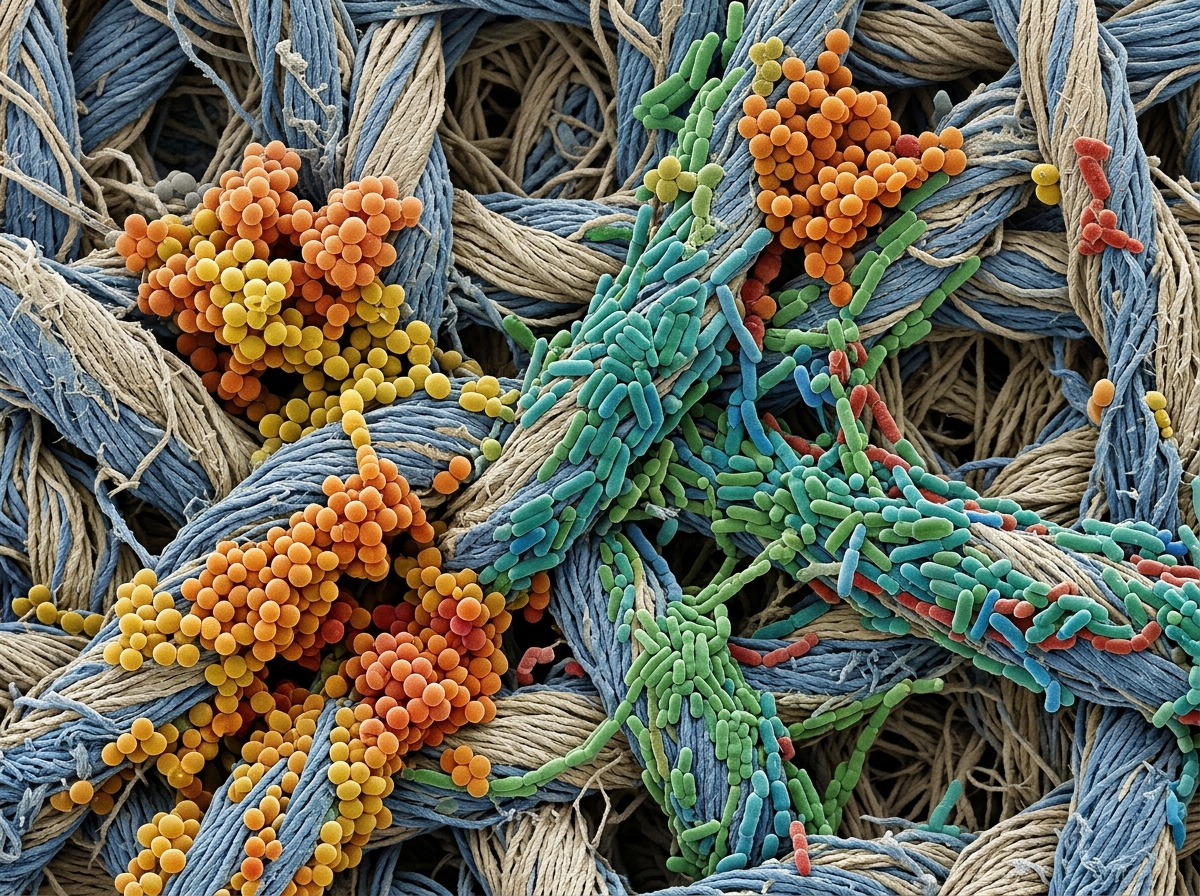
The stakes are higher for certain items. Used hand towels, for instance, can have 1,000 times more coliform bacteria than a brand-new one. In fact, 90% of bathroom towels carry coliform bacteria, and 14% harbor E. coli. According to How to Sanitize Laundry to Disinfect Clothing, Linens, and Fabric, regular washing isn’t always enough to stop the spread of enteric viruses like rotavirus. This is why learning how to sanitize laundry naturally is a vital skill for maintaining a healthy, illness-free home.
How to Sanitize Laundry Naturally: The Best Methods
When we talk about sanitizing, we are looking for a “kill rate.” The EPA standard for a sanitizer is the ability to kill 99.9% of germs. While chemical bleaches achieve this easily, they come with a heavy environmental cost and can irritate sensitive skin.
If you are looking for a more “planet-preserving” approach, you might wonder if natural methods can truly compete. The answer is yes, but they require a bit more strategy. For example, while vinegar is a powerhouse for many things, it doesn’t kill every single type of virus, but it is excellent at reducing bacterial loads to safe levels.
| Feature | White Vinegar | Hydrogen Peroxide | Borax |
|---|---|---|---|
| Primary Action | Acetic Acid (Antimicrobial) | Oxygen Bleach (Oxidizer) | Mineral Salt (Disinfectant) |
| Best For | Deodorizing/Softening | Whitening/Sanitizing | Heavy Soil/Hard Water |
| Color Safe? | Yes | Spot test first | Generally yes |
| Eco-Impact | Very Low | Low (breaks down to water/oxygen) | Moderate (natural mineral) |
Using these methods in conjunction with biodegradable-laundry-powder-the-best-way-to-clean-your-clothes/ ensures that your clothes are not only germ-free but also free from the synthetic residues that trap odors in the first place.
Using White Vinegar to Sanitize Laundry Naturally
White vinegar is the “Swiss Army Knife” of the eco-friendly laundry room. Its active ingredient, acetic acid, is a natural mild disinfectant that can kill certain strains of bacteria like E. coli and Salmonella.
To use it effectively, add 1/2 cup to 1 cup of distilled white vinegar to your washer’s rinse cycle. Why the rinse cycle? This is when the vinegar can best neutralize any remaining soap scum (which bacteria love to cling to) and soften the fabric fibers. It also helps strip away mineral deposits from hard water.
Beyond its antimicrobial properties, vinegar is an incredible deodorizer. If you’ve ever left a load of laundry in the machine too long and it developed that “sour” smell, vinegar is your best friend. It breaks down the odor-causing residues that regular detergent might miss. For a deep clean, How to Sanitize Your Laundry suggests that soaking items in a vinegar solution can help dissolve stubborn soap deposits that harbor germs.
How to Sanitize Laundry Naturally with Hydrogen Peroxide
If vinegar is the gentle cleaner, hydrogen peroxide is the heavy lifter. Hydrogen peroxide (the 3% concentration found at most pharmacies) is an oxidizer. This means it physically destroys the cell walls of bacteria and viruses.
It is an excellent “non-chlorine bleach” alternative. To use it, add 1 cup of 3% hydrogen peroxide to your wash cycle after the basin has filled with water. It is particularly effective for brightening whites and removing organic stains like blood or sweat.
A word of caution: Because it has bleaching properties, it can fade certain dyes. Always spot-test a hidden area on colored garments before committing to a full soak. According to How to Sanitize Laundry (With Bleach or Without), hydrogen peroxide is one of the most effective ways to ensure your whites are truly hygienic without the toxic fumes of chlorine.
Essential Oils and Botanical Boosters
Nature has provided us with some of the most potent antimicrobial agents through plants. Essential oils aren’t just for making things smell like a spa; they have real biological effects.
- Tea Tree Oil: Known for its powerful antifungal and antibacterial properties. Adding 2 teaspoons of 100% pure tea tree oil to your wash load can significantly boost germ-killing power.
- Lavender and Thyme: Thyme oil is particularly effective against E. coli and even MRSA. Lavender adds a soothing scent while providing mild antimicrobial benefits.
- Pine Oil: To be effective for sanitization, pine oil must be at an 80% concentration. Add 1 cup to the wash, but be sure to run a second rinse to remove the strong scent. Note: Avoid using pine oil on silk or wool.
- Borax: This natural mineral (sodium borate) helps by shifting the pH of the water, making it harder for bacteria to survive. Adding 1/2 cup of borax to a warm water cycle boosts the effectiveness of your detergent and helps disinfect the load.
For more detailed steps on blending these, 3 Ways to Disinfect Laundry – wikiHow provides excellent ratios for creating your own botanical laundry boosters.
Harnessing Heat and Sunlight for Germ Elimination
Sometimes, the best sanitizers are completely free. Heat and light are two of the most effective ways to eliminate pathogens.
Hot Water: To truly kill most bacteria and viruses, your water needs to reach at least 140°F (60°C). Many modern machines have a “Sanitize” cycle that can reach 165°F. This is the gold standard for towels, bedding, and kitchen rags. If your machine doesn’t have this setting, using the “Heavy Duty” or “Whites” setting with the hottest water possible is your best bet.
Steam Cleaning: If you have delicate items that can’t handle a vigorous wash but need sanitizing, steam is the answer. Steam reaches temperatures above 212°F, which kills nearly all known germs and dust mites without the need for chemicals.
The Power of the Sun: Sunlight is a natural disinfectant thanks to UV rays. Hanging your clothes outside for just 30 minutes per side can kill surface bacteria and act as a natural whitener. It’s the ultimate energy-saving tip! Just be careful not to leave dark colors out too long, as the sun can be quite efficient at fading them too.
Sanitizing Specific Items and Machine Maintenance
Not all laundry is created equal. You wouldn’t treat a silk blouse the same way you treat a kitchen floor rag.
- Underwear: Unsurprisingly the “dirtiest” items in the basket. These should always be washed in the hottest water safe for the fabric, ideally with a vinegar rinse.
- Workout Gear: These items trap oils and bacteria in synthetic fibers. Pre-soak them in a mixture of water and 1/2 cup vinegar to break down the “biofilm” that causes permanent odors.
- Baby Clothes: Babies have sensitive skin, so avoid harsh chemicals. Use sunlight for whitening and an extra rinse cycle to ensure all soap is gone. You can find more gentle tips in our mother-earths-secret-eco-friendly-laundry-detergent-recipe/.
- Towels and Bedding: These should be sanitized at least once a week (bedding) or every few days (towels) using the 140°F+ rule.
Don’t Forget the Machine!
Your washing machine can actually become a source of cross-contamination if not cleaned. To prevent a buildup of bacteria and mold, we recommend a monthly “maintenance wash.” Run an empty hot cycle with 2 cups of white vinegar and 1/2 cup of baking soda. This flush removes the “biofilm” (that slimy layer of soap and skin cells) that bacteria use as a breeding ground. Also, remember to leave the door open between washes to let the drum dry out completely.
Frequently Asked Questions about Natural Sanitization
Does white vinegar kill 99.9% of germs?
While white vinegar is a fantastic antimicrobial agent, it is not officially classified as a “disinfectant” by the EPA because it doesn’t kill 99.999% of all germs (including some tough viruses). However, for everyday household use, it is highly effective at reducing bacteria to safe levels and removing the residues where germs hide.
How do I sanitize clothes that cannot be washed in hot water?
For delicates, you have three great options:
- Hydrogen Peroxide Soak: Use a 15-minute soak in cool water with 1 cup of peroxide (test for colorfastness first).
- Essential Oils: Add tea tree or lavender oil to a cold wash.
- UV Light: Hang the item in direct sunlight for 30–60 minutes.
How often should I sanitize my towels and bedding?
Under normal conditions, bedding should be washed weekly in hot water. Towels should be washed every 3 to 4 uses. However, if someone in the house is sick, you should sanitize these items daily to prevent the 90% germ spread rule from affecting the rest of the family.
Conclusion
At Delícias Saborosas, our mission is to provide planet-preserving solutions for mindful consumers. We believe that a clean home shouldn’t come at the cost of a clean planet. Learning how to sanitize laundry naturally is a powerful way to protect your family’s health while staying true to sustainable values.
By swapping harsh chlorine bleach for white vinegar, hydrogen peroxide, and the power of the sun, you reduce your environmental footprint and keep your home’s “microbiome” in balance. Ready to upgrade your laundry routine? Explore our range of eco-friendly-laundry-detergents/ and join us in making the world a little cleaner, one load at a time.
Visit us at https://www.deliciassaborosas.com/ to learn more about our progressive approach to sustainable living.
